

A Vegetable Discovery
A Vegetable Discovery
These days I have been wondering more about what food awareness means, and how I can, in my own small way, share more about it and support more awareness around food, for myself and for you!
That is why I decided to open this new space: A Vegetable Discovery.
I want to research vegetables and their stories, and share them here with you. I strongly believe that if we knew more about vegetables, we would be gentler towards them and more attentive to waste.
To celebrate our first appointment with A Vegetable Discovery, today we are diving into the pumpkin world!
Pumpkin is one of my favourite vegetables, and I have loved it since I was a little girl. Its orange colour always made me feel warm. I loved its sweet taste, and the fried pumpkin flowers. Growing up, I started to link it with autumn and with feeling cosy.
What I love most is how versatile it is. You can use it in sweet and in savoury dishes: I make cookies and donuts with it, but also a creamy soup with potatoes. Being so versatile makes it very appealing to me.
So get cosy, gentle reader, because pumpkin has been around for quite some time, and there is a lot to talk about.
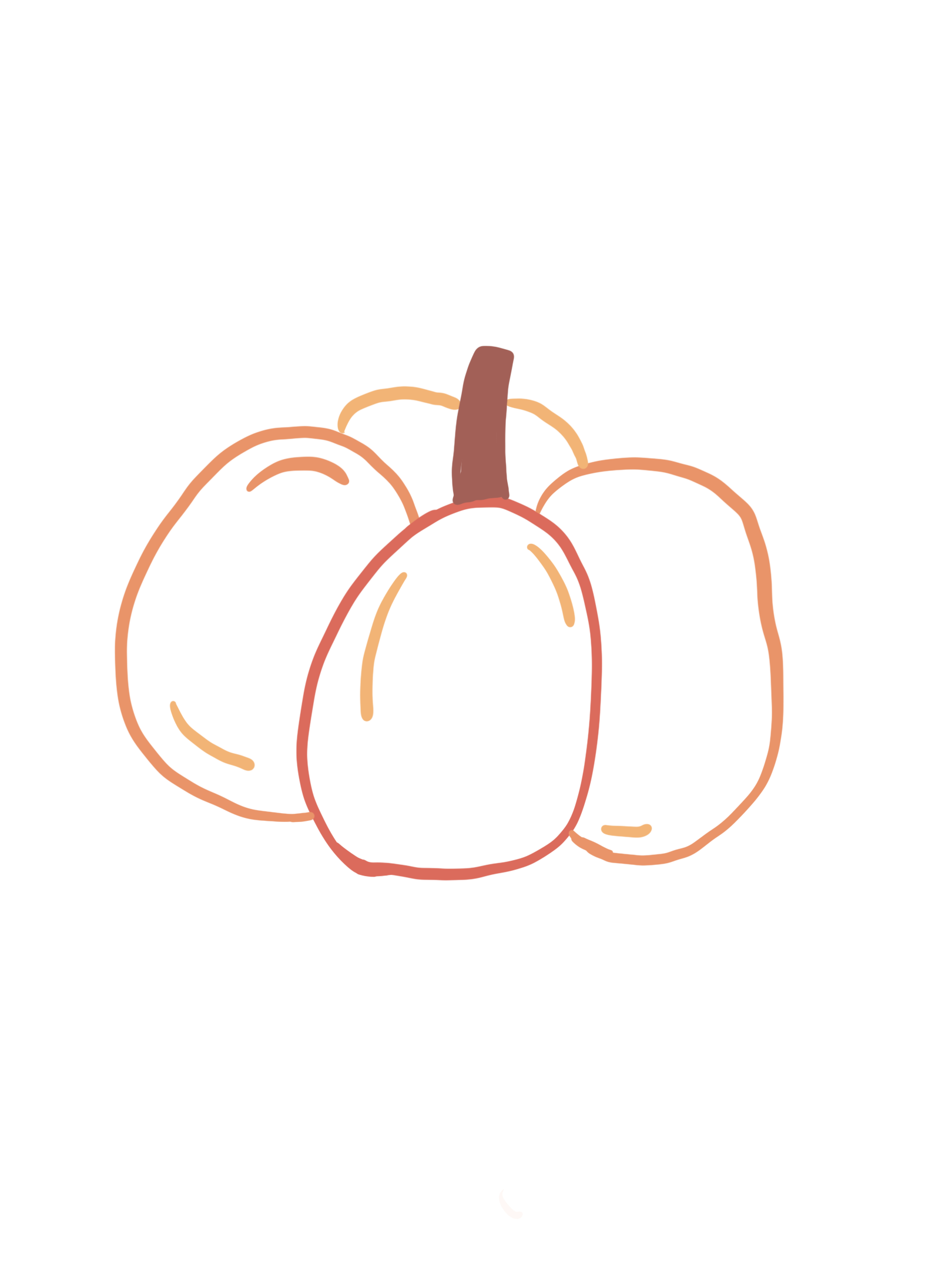
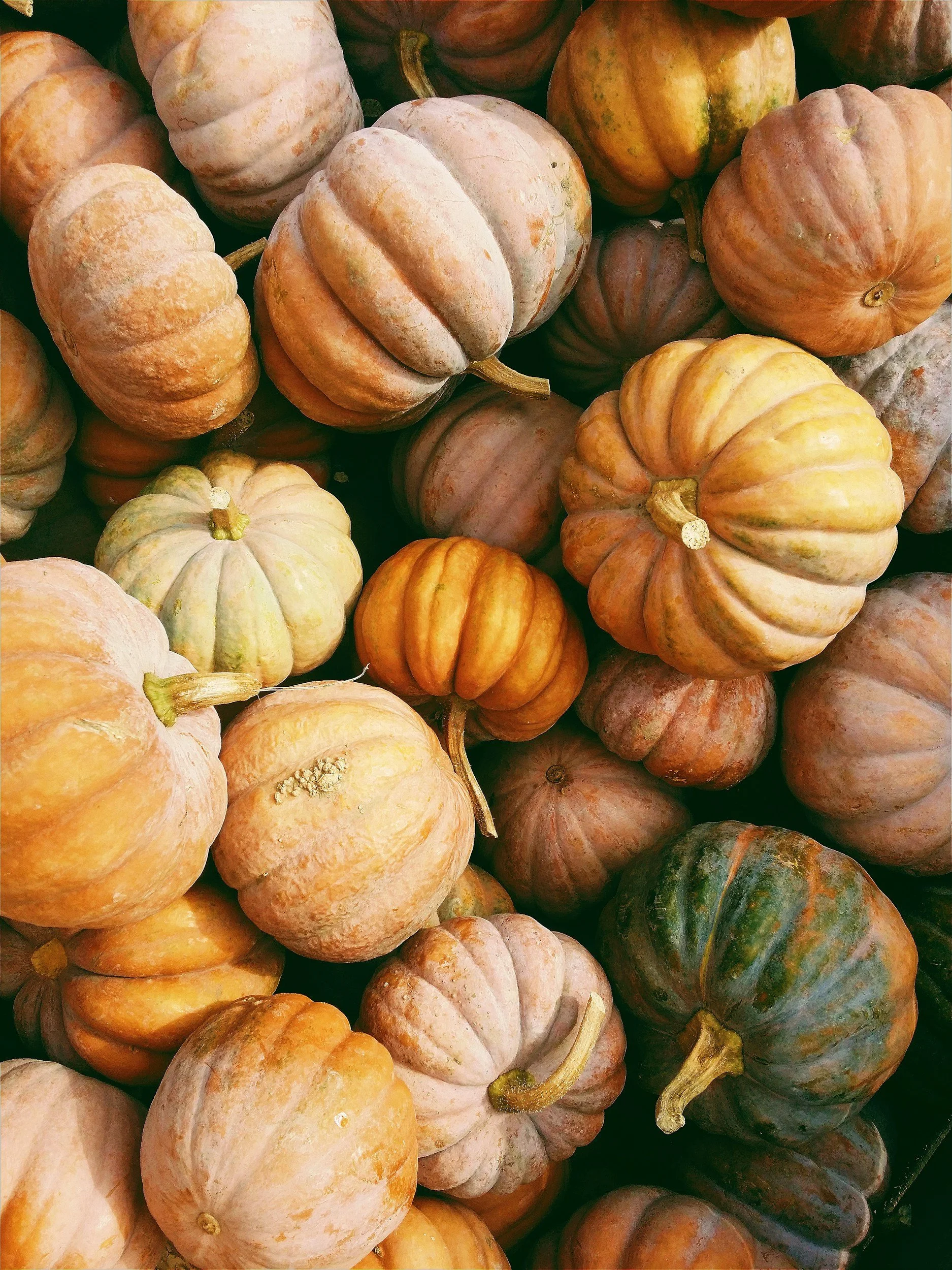
A little story of our friend pumpkin
Let’s start with a surprise: botanically, a pumpkin is a fruit, not a vegetable. A fruit is the part of a plant that grows from a flower and holds the seeds, so tomatoes, cucumbers and courgettes are fruits too. (If you already find this crazy, keep reading... there is more to come!)
Pumpkins come from the Americas, from a looong time ago. Together with other squashes, they were among the first plants people grew there, and some of the oldest seeds ever found, in caves in Mexico, are about 10,000 years old.
At the end of the 1400s, Columbus and the other explorers brought seeds back to Europe, and the first mention of pumpkin in Europe dates to 1536. The word “pumpkin” that we use comes from the Greek word pepon, which means large melon.
Did it look like a melon to them? In the old days, it seems people were quite confused about vegetables!
Pumpkins grew better in the warmer parts of Europe than in England, and it took Europeans a while to warm up to eating them.
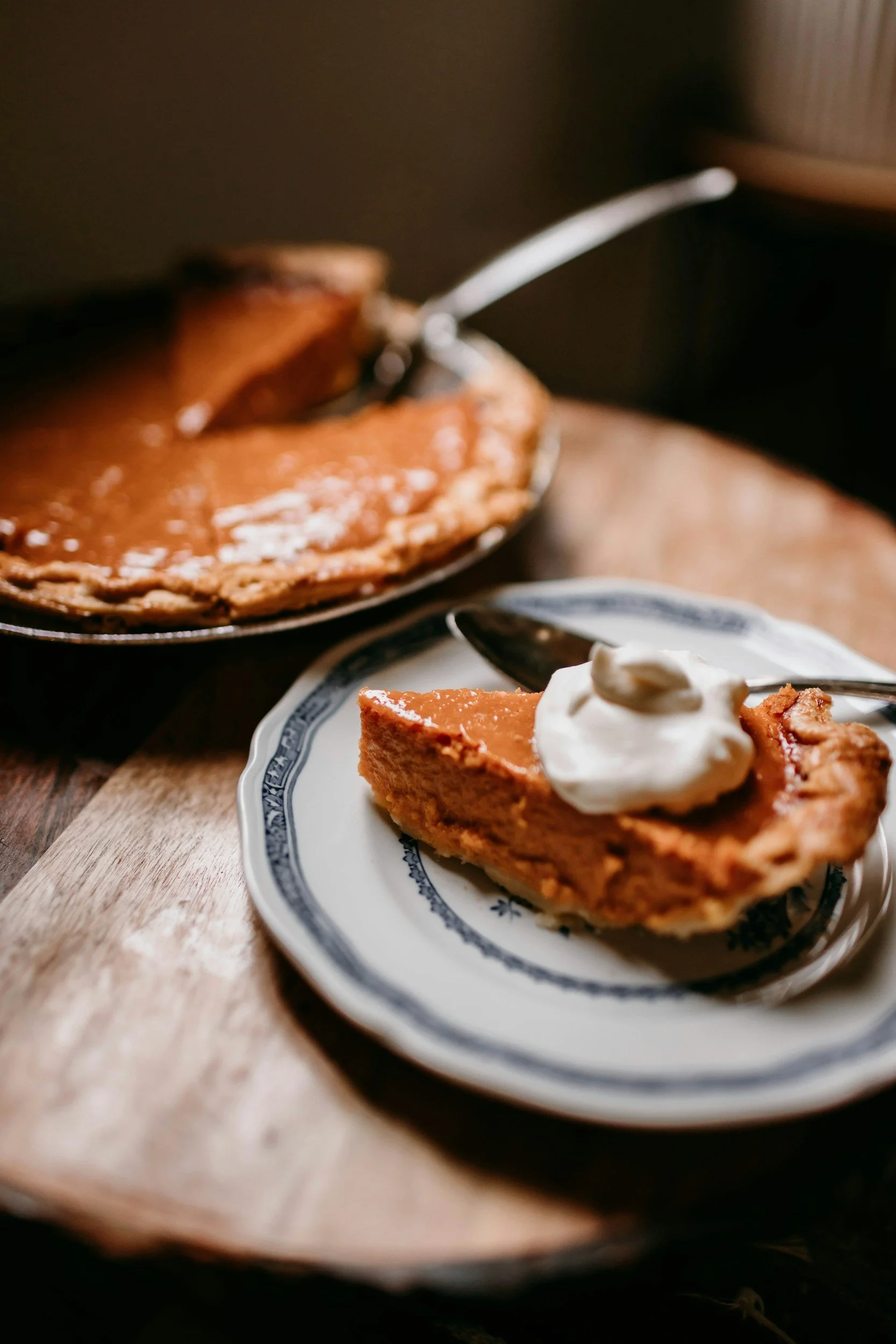
They were often viewed with curiosity, and in some places used mainly as animal feed. I imagine the bright colour and the hard skin were not easy to get used to either. It took decades for pumpkins to find their place in local cuisines: one of the first pumpkin pie recipes we know of appears in a French cookbook in the middle of the 1600s, and pumpkin pies show up in English cookbooks a few years later. That is more than 100 years after the seeds arrived!!
So the pumpkin that feels so autumnal in our kitchens is a fairly recent guest in Europe. It is strange to think that something we take for granted arrived not that long ago...
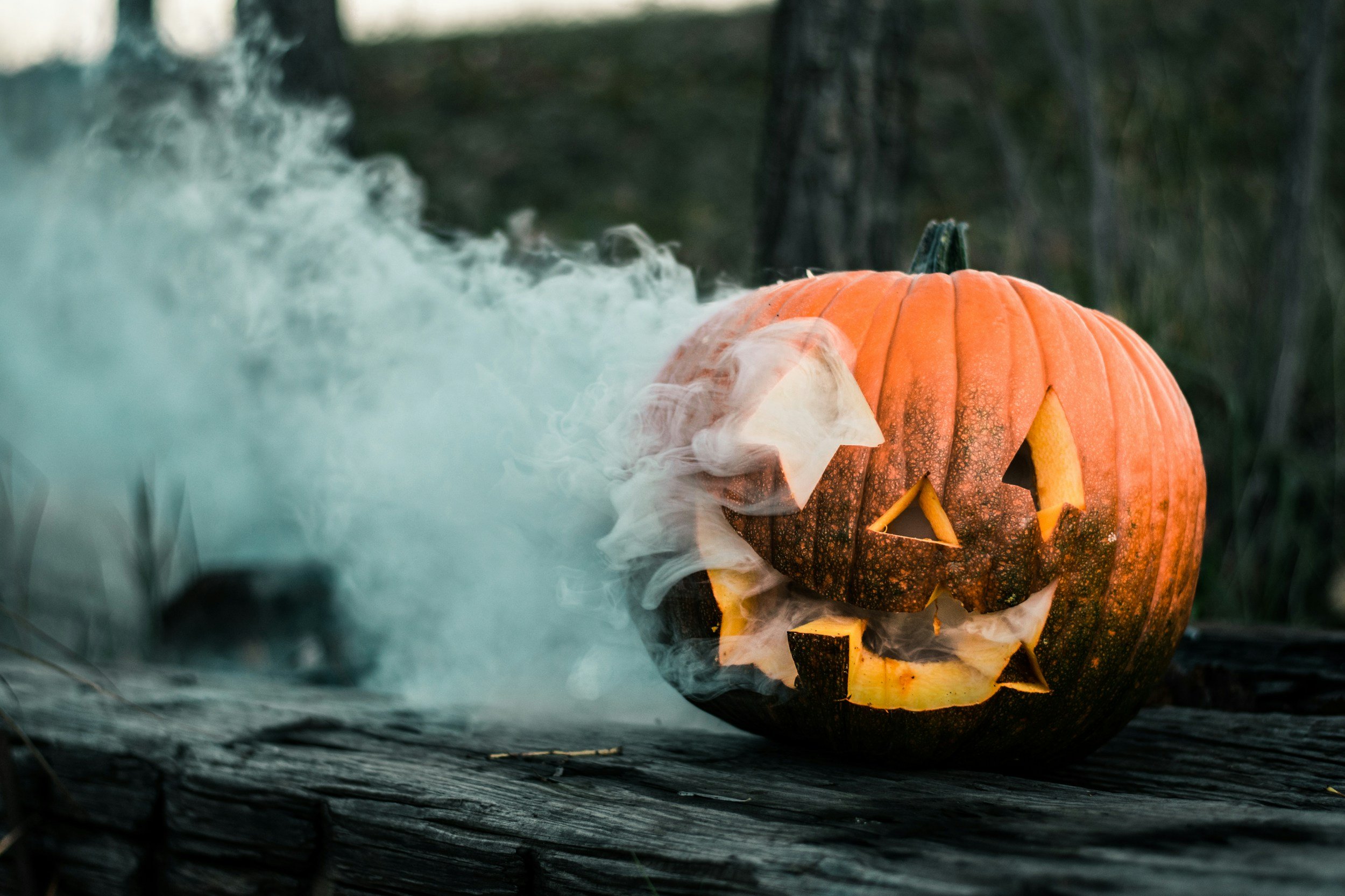
Another shocking fact: the first jack-o’-lanterns were not made from pumpkins.
In Ireland and Scotland, people celebrated Samhain, the Celtic festival that marked the new year and the thinning of the veil between the living and the dead. To ward off wandering evil spirits, or the mythical figure of Stingy Jack, they carved grotesque faces into turnips, beets and potatoes, and placed burning coals or candles inside them. That was long before the 1840s.
When great waves of Irish people moved to America during the Great Famine, in the 1840s and 1850s, they brought these traditions with them. There they found that pumpkins were much more abundant, much bigger and much softer to carve than hard turnips. And that is how Halloween pumpkins became so iconic.
But I can’t help wondering: pumpkins reached Europe about 300 years before the Irish moved to America, so why didn’t they already carve pumpkins at home? My best guess is climate: pumpkins struggled in cooler places like England, and they are not native to Ireland, while turnips and other root vegetables grew there easily.
Using every part of the pumpkin
Knowing the story of a vegetable changes how I look at it. A pumpkin that crossed an ocean, and took more than 100 years to reach European cookbooks, deserves to be used fully. Which brings me back to waste.
So please, don’t carve your pumpkin this Halloween! A pumpkin needs about four months to grow, and a carved one will not last long, so most of it ends up as waste. Instead, draw on it with your kids using washable, non-toxic markers or paint. Once the Halloween period is over, cut off the skin you drew on and cook the rest! A whole pumpkin can stay good for months in a cool, dry place, so don’t worry: it will not go off.
And using every part of a pumpkin is easier than it sounds. The other day I watched a video on Instagram by a fellow talented creator: Rucoolaa, Alessio Cicchini.
About how to use every part of the pumpkin. He made a wonderful recipe with the seeds. And made it becoming a Milk for a spicy pumpkin latte, and the leftover bits of seeds turn into biscuits. I was amazed!
I am so glad to know so many amazing chef and that they share so many wonderful ideas with veggies! Check out his profile here.
How I cook it
I like to roast the whole pumpkin and decide later what to make with it. Once it is roasted, the pulp is ready to use fresh, or I freeze it. It is also my way of wasting less.
I only buy organic pumpkins, so I can use the skin too. I do not peel it, and I often eat it. Check the variety first, because the skin of some pumpkins is too tough to eat.
I like squash for sweet recipes and for risotto, and delica for gnocchi dough.
My Tips for parents
Let the children help you remove the seeds and wash them, a job kids love. Then dry them slowly and keep them for granola.
Cut the whole pumpkin and, ideally, cook it all in one go, roasted in the oven. Keep it in the fridge and use it for different recipes over the next few days.
Thank you for getting to the end of our first appointment with A Vegetable Discovery.
I hope you look at your next pumpkin with a little more curiosity, and a little more gentleness. See you at the next one!
Looking for more seasonal ideas? Have a look at the vegetables of November here.
The Veggie Calendar and Agenda 2027 list the vegetables in season for every month of the year. Pre-order until 8 November.
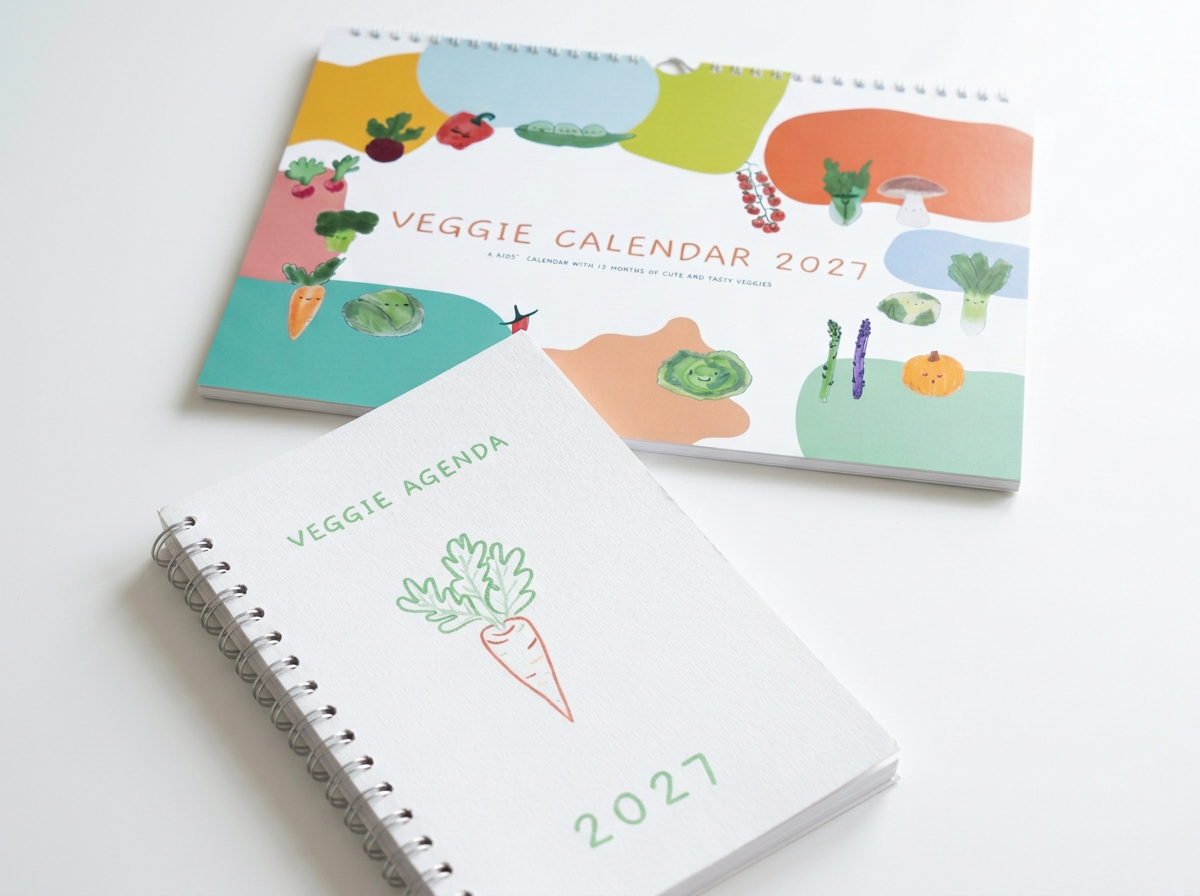
PRE-ORDER: closes 8 November. Ships by 16 November.
This bundle brings together my two 2027 projects, both fully illustrated by me, Jasmine. Plan your year and cook with the seasons with the Agenda, while the little ones discover which vegetables grow each month on the wall calendar. A lovely gift for families who love good food. ( English language)
You save €6 compared to buying them separately.
Agenda 2027
A5 seasonal vegetable planner, 270 full colour pages
Monthly and weekly planning pages
Seasonal vegetable lists
Illustrated recipes
Batch cooking month page
Journaling prompts
Two interviews
Silver wire-o binding, coated card covers
Veggie Calendar 2027
A4 landscape wall calendar for kids aged 3 to 12
Dutch or English language possible on request!
12 months of cute vegetable illustrations with seasonal lists
Thick 350 g card, black wire-o binding with hanging hook.
